Edition #7: Matt Werakso
Was it Luck or Destiny?
Matt started playing soccer full-time at university, which led him to play in the U.S. for a few years with Christian Brothers University. During this period, he completed his Bachelor of Science and Business Administration as well as an MBA in Management. Then, by his mid-20s, Matt thought it was time to get a 'real job'.
Luckily, during his job hunt, he was introduced to a fellow Aussie with a successful Financial Planning practice in Memphis, Tennessee. They got along well, and he created a role for Matt in his business as an Associate Paraplanner.
“It was by chance that I ended up in the financial advice industry.”
After four years working in the U.S., Matt and his wife decided it was time to move back to Australia. Soon after arriving in Sydney, he joined UniSuper in 2012 and has loved working there ever since.
The Trend from Sport to Finance
However, Matt’s journey is not completely unique. There is a recent trend where more successful leaders in finance are coming from a sporting background. Just a few examples include:
David Geddes, head of Mergers & Acquisitions at Deutsche Bank - former Olympic sprinter
Mike Murphy, head of Bain Capital private credit - former Olympic diver
Rob Jahrling, previous head of Equity Capital Markets at Citibank - former Olympic rower
Stuart Grimshaw, former CEO of Bank of Queensland and CEO of Humm - former Olympic hockey player
Frank Hegerty, head of Ord Minnett private wealth - former Olympic rower
But this does not mean you have to be an Olympic sports star to get into Finance. This is just a sign that pursuing your hobbies and staying active are crucial to your well-being and can be equally important as studying or work experience. Matt’s advice is that, all things considered, recruiters look for personality and originality in your interviews!
Transferable Skills from Sport
Teamwork
Collaboration is a crucial skill for succeeding in most sports, particularly team sports. Effective communication on the pitch, a deep understanding of each teammate’s role, and unity around a shared goal are all crucial components of a successful sports team.
These skills are transferable to all industries, particularly in Matt’s role. For instance, strong communication is crucial for working at a large superannuation fund as coworkers from all divisions, such as marketing and legal, need to collaborate. Moreover, inclusion and respect for all coworkers are crucial to fostering a positive, productive workplace culture.
Strategic Thinking and Problem-Solving
Playing sports involves a lot of strategic thinking, as tactics and plans need to be developed to anticipate the opponent’s next move. However, when the game does not go as planned, problem-solving is crucial to remaining adaptable throughout the match.
Similarly, in financial advice, strong analytical skills are essential for accurately interpreting data, and problem-solving is necessary to devise innovative strategies that ensure sustainable growth. It is also important to be flexible in finance, as the industry is fast-paced with new trends and regulations emerging daily.
Work Ethic and Discipline
Many professional athletes have developed discipline and a strong work ethic through strict diets and gruelling training schedules. Even everyday athletes must face early morning training sessions and continuous practice to improve their performance.
Finance also required immense hard work and discipline. Not only are there long psychometric tests and harsh interviews to get into the industry, but many must also work long hours in a high-pressure environment.
Goal Setting and Ambition
Shooting goals is not only on the pitch, but many successful sports teams must set clear goals to continually improve their performance. Additionally, many athletes are very ambitious and often set personal or career goals to stay motivated.
In the finance industry, goal setting is a crucial skill, as firms often need to set explicit financial, social, or ESG targets to stay on track. Moreover, many individuals in finance are very ambitious and often set themselves career goals, such as promotions or exceeding performance benchmarks.
Matt’s Final Pieces of Advice
“What I enjoy the most about my job is the impact we are able to have on our members’ lives.”
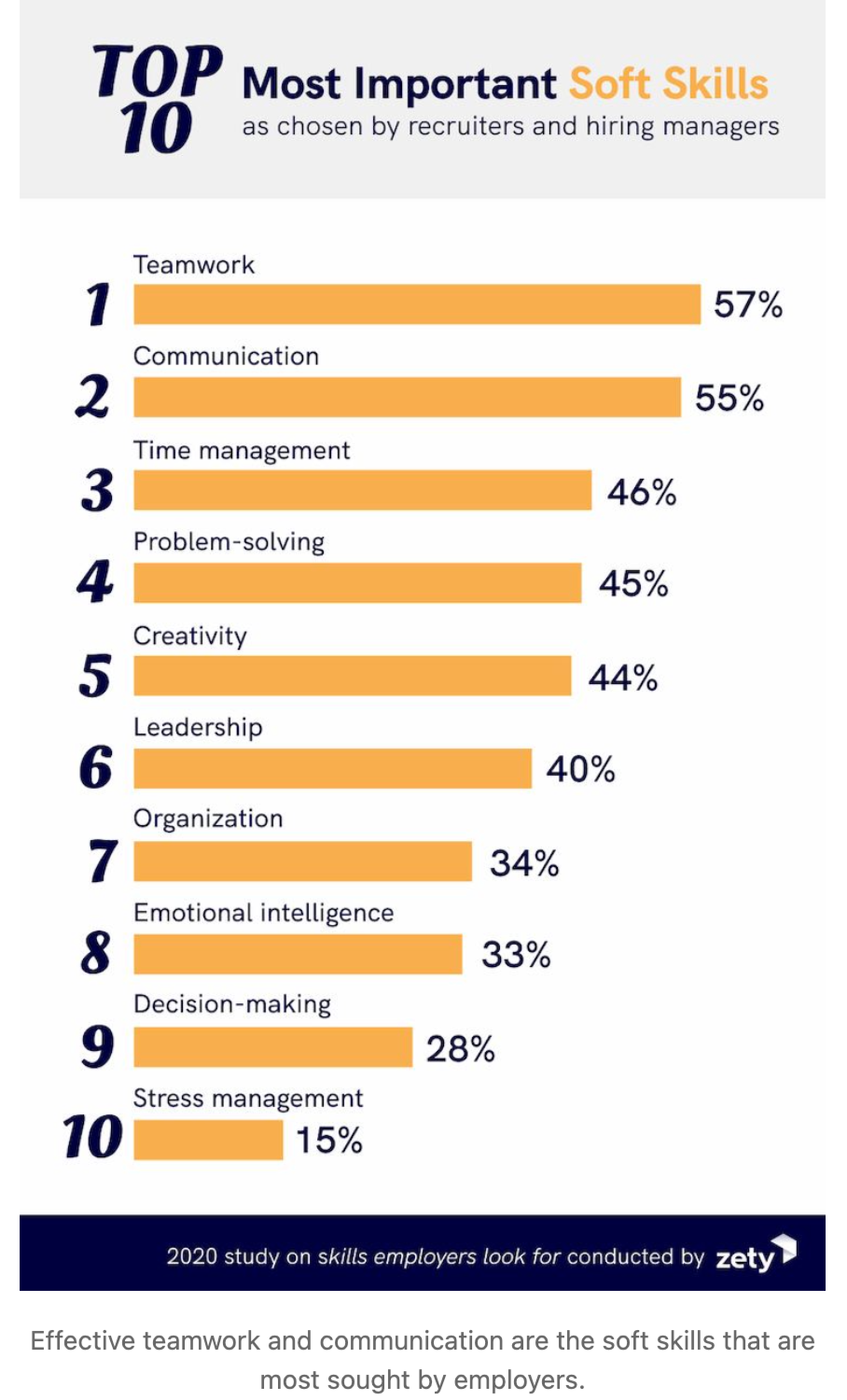
Soft skills are crucial: What will set you apart from other candidates is your curiosity, empathy, and communication. Being able to listen, simplify complexity, and genuinely care about outcomes is what makes you effective.
Say ‘yes’ to all opportunities: Even if they stretch you or feel slightly outside your comfort zone, take all opportunities when they arise. Often, the most significant career growth comes from projects or roles you were not expecting, but that give you new skills, perspectives, and resilience.
Find an employer that supports your development: Ensure your employer gives you access to mentors and aligns with your values. Early in your career, the culture you are surrounded by can accelerate or limit your growth.
Be patient with your path: Careers are not linear. But if you stay open to learning, take opportunities as they come, and keep your focus on improving others’ lives, you will put yourself in a strong position to lead.
This article was written by Chenchen (Vivian) Weng and edited by Rahul Pant. All experiences and opinions are their own unless otherwise specified, and do not represent the views of the UNSW Consulting Club or any affiliated organisations and sponsors.
