Edition #6: Louise Li
Knowing When it's Time to Change
After six years working at CommBank, Louise had accumulated a large breadth of experience that ranged from cybersecurity to investing and had developed a clear picture of what the corporate world looks like. The turning point came after she led the rollout of the Multi-Factor Authentication system to NetBank, a significant project that marked a significant milestone, but also spurred a moment of reflection.
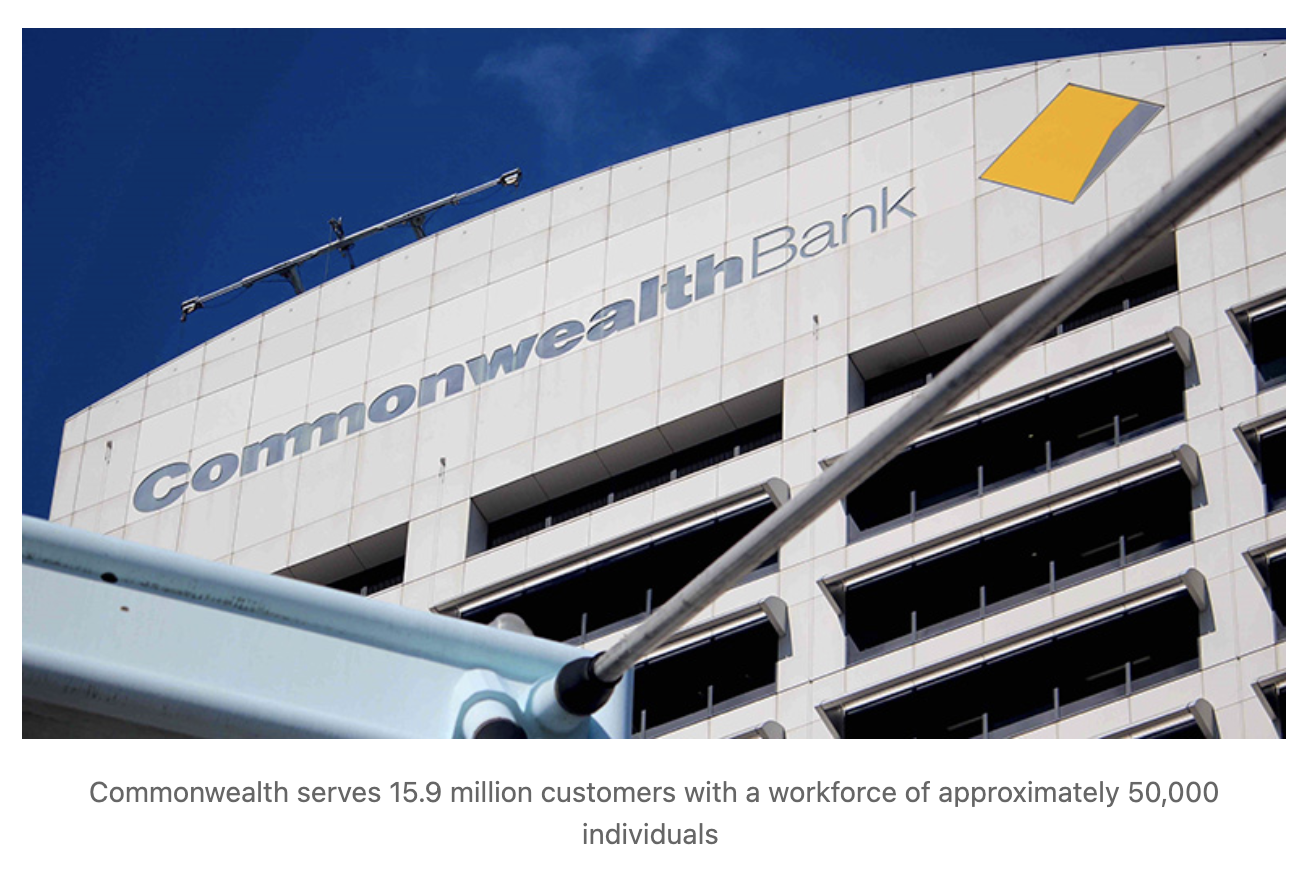
"Leading the MFA rollout felt like a culmination of everything I'd learned over six years at CommBank. It was one of the most challenging projects of my career, and I'm proud that my team delivered a solution that now helps protect 16 million CommBank customers. After its successful delivery, I realised I was ready for a new challenge, and the opportunity to join an AI-native company was an exciting way to accelerate my learning again."
Louise made a proactive move. Realising that the startup world - with its faster pace and proximity to the cutting edge of AI offered exactly the environment she was craving. It's a reminder that sometimes you can leave when things are smooth to challenge yourself and try something new.
Navigating Others' Opinions
Her decision to leave wasn’t made in a vacuum and in a world where the majority of corporate workers stay in corporate, the transition to startup was a bold move. However, one key takeaway was how positive everyone was about the transition. Many of her coworkers at CommBank noted that her skills would suit the startup world well, and her friends working in startups welcomed the move. I think it’s safe to say that transition and change is welcomed both in the corporate and startup world.
What Skills Transfer and What Skills Help
Moving from a large corporate bank to a 5 person startup team requires a lot more than just a change of office space. Louise said two major skills helped her stay ahead and innovate in the startup space. One was an ability to context switch between environments and different projects simultaneously as startups are notoriously busy. The other skill defined was an ability to work fast.
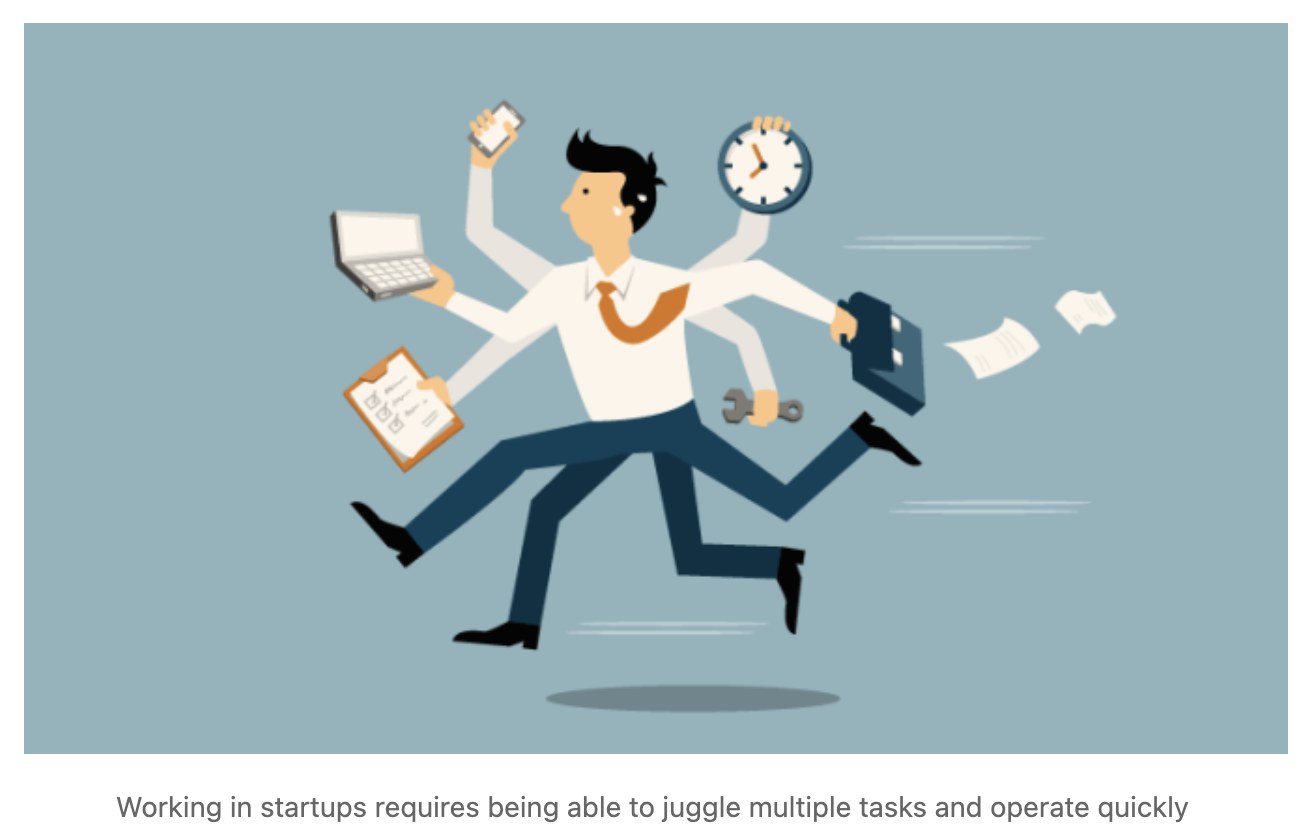
"I've enjoyed moving quickly and learning through execution. In a startup, speed matters because you're often working with incomplete information, so it's better to get something into the world, learn from it, and iterate than spend too long trying to perfect a plan."
When asked what she had to unlearn, Louise said it was the instinct to reach for process or seek permission before acting. Startups tend to reward initiative and rapid experimentation, whereas in banking, processes and governance play a critical role in protecting customers and managing risk. The challenge was learning when speed matters most and adapting to a very different operating environment.
Think Less, Do More
One of the most striking cultural shifts that Louise observed was the different relationship with uncertainty. In a startup, uncertainty is pervasive and essentially a pre-requisite, whereas in Commbank – certainty was far more important. Louise noted that A1Zap has a culture of prototyping and shipping, learning through experimenting and reviewing user feedback.
"Pasha (our co-founder) put it best when he said: Louise, think less and just do."
That philosophy extends to strategy and operations as a role. Strategy in startups isn’t really about crafting the best pitch decks or the most comprehensive research - a lot of it is trial and error. When you find something that works, it’s all about scaling that rapidly and always reflecting and understanding what the user really wants.
Advice for First Years
Resist the herd: Louise noted that there's often pressure at university to follow whatever career path is currently popular. When she was a student, many of her peers were pursuing strategy consulting or Big Four accounting roles, while she was drawn to building apps and digital experiences, a much less common path at the time. Looking back, that decision led to six epic years building digital products at CommBank and now at A1Zap. Her advice is to resist the urge to simply follow the crowd and instead pursue the work that genuinely interests you. Today's niche career path may become tomorrow's most sought-after one.
Experiment in university: The goal of university isn't to have your entire career figured out - it's to learn what you enjoy and what you don't. Try different internships, clubs, courses, and opportunities before committing to a path, because you never know what might click. You'll spend a huge portion of your life working, so it's worth taking the time to find something you'll genuinely enjoy doing.
Get comfortable being uncomfortable: Things won't always go the way you expect, and sometimes reality will look very different from what you imagined. Rather than avoiding those situations, lean into them - give things a red-hot go and see how far you can push yourself. You'll learn a lot about who you are, what environments energise you, and what kind of work helps you thrive. The more comfortable you become with discomfort and change, the more opportunities you'll be willing to explore.
Closing Comments
Louise’s journey is a reminder that choosing the corporate or startup pathway is not permanent. Both are interesting domains where skills can be learnt, and change is certainly possible if you so desire. Along her journey, what is clear is that no matter where she was, she was able to learn important skills that would help her later.
The most important takeaway? Don’t wait to be perfectly ready. Just do it and see where it takes you, whether it be a new club at university, or trying a new career. Most of what you learn happens by doing.
This article was written by Shay Chai, and edited by Siddharth Ramachandran and Melissa Tan. All experiences and opinions are their own unless otherwise specified, and do not represent the views of the UNSW Consulting Club or any affiliated organisations and sponsors.
